

Google has formally been designated as a tech platform with “strategic market status” by the UK’s Competition and Markets Authority in relation to its search products.
This means the CMA found Google “has substantial and entrenched market power” in general search and in search advertising, after a provisional decision to this effect in June.
The CMA has done so under new powers in the Digital Markets, Competition and Consumers Act 2024 after finding more than 90% of online searches in the UK are carried out on Google.
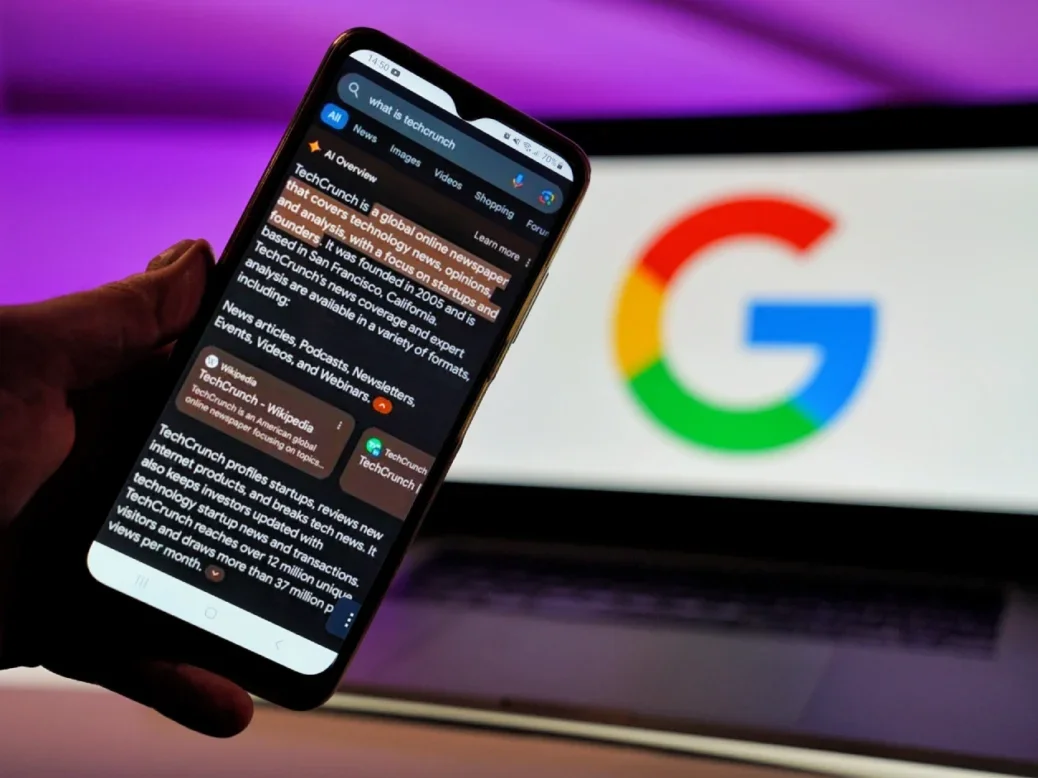
The CMA said AI-based search features AI Overviews and AI Mode are within scope of this strategic market status, but AI assistant Gemini has been excluded.
Publishers including Daily Mail owner DMG Media and Guardian Media Group argued that Gemini should be in scope, with DMG describing the product as “an indistinguishable part of Google’s plan to leverage its dominance of search into dominance of AI”.
The CMA said the exclusion of Gemini remains “under review” and could be added as the market develops, but that currently the proportion of people using it “in a way akin to general search” is “very low”.
The Top Stories box at the top of news-related search results and the news tab at the top of results are included, but the separate Google News aggregator app and website were not found to be in scope because they only include news sources.
Google’s Discover feed, which is served to users on Google’s native mobile apps and within its Android operating system and which now provides more than two-thirds of Google traffic to the biggest news websites, is also included.
The CMA said it will start consulting later this year on the new rules and regulations it could force Google to carry out.
These could include giving publishers more control and transparency over how their content collected for search is used, meaning they could opt out of Google AI Overviews without effectively removing their entire websites from search.
Potential measures also include default choice screens letting people easily choose and switch between search services and ensuring Google’s ranking and presentation of search results is “fair and non-discriminatory”.
Google argued that such fair ranking principles can result in a lower quality service for consumers and less search traffic to businesses.
Google’s senior director for competition Oliver Bethell called for the CMA to impose a “pro-innovation UK regulatory framework”.
“The UK enjoys access to the latest products and services before other countries because it has so far avoided costly restrictions on popular services, such as Search. Retaining this position means avoiding unduly onerous regulations and learning from the negative results seen in other jurisdictions, which have cost businesses an estimated €114bn.
“Many of the ideas for interventions that have been raised in this process would inhibit UK innovation and growth, potentially slowing product launches at a time of profound AI-based innovation. Others pose direct harm to businesses, with some warning that they may be forced to raise prices for customers.
“Google supports the CMA’s goal to ensure the UK’s competition framework mirrors the best interests of UK consumers and businesses. We hope to see outcomes that reflect such ambitions in the crucial months ahead.”
Owen Meredith, chief executive of the News Media Association which represents many of the biggest publishers in the UK, described the CMA’s decision as “a turning point in the fight for a fair and competitive digital economy in the UK. Search is a key discovery path for users accessing news online and Google has wielded its dominance to the detriment of users and publishers.
“The CMA must now push ahead with remedies and put in place a robust set of conduct requirements to ensure publishers have genuine control over when and how their valuable content is used: that means real transparency, meaningful consent, and fair payment.
“The British government must also stand firm and continue to resist pressure from the US President, bidding on behalf of Silicon Valley, to dilute pro-competition remedies under the guise of ‘innovation’. By taking this action, the CMA is ensuring the long-term sustainable growth of the UK tech and creative sectors.”
Sajeeda Merali, chief executive of the Professional Publishers Association which represents consumer and specialist magazine brands, said it was “particularly encouraging to see Discover, AI Overview, and AI Mode included in scope. This demonstrates an understanding that search is evolving, and that publishers must have a say in how their content is used.
“In the upcoming November consultation, we will further advocate for appropriate protections for our world-leading publishers and the trusted editorial content they produce.
“This is a critical opportunity to rebalance the digital marketplace and foster greater competition, building a healthier ecosystem overall.”
Email pged@pressgazette.co.uk to point out mistakes, provide story tips or send in a letter for publication on our "Letters Page" blog
