

Daily newsletter The Knowledge is nearing profitability 18 months after ditching web content to focus on its email.
Founder and editor-in-chief Jon Connell, who also started The Week in the 1990s, set up The Knowledge in 2021 as a news digest that takes five minutes to read and was backed by investment from Daily Mail owner Lord Rothermere.
The Knowledge begins with an “In the headlines” news summary, followed by sections that highlight comment pieces and other news deemed by the team to be “positive” and “surprising” from across the UK and global media.
It is designed to be easily finishable and says at the bottom each day: “That’s it, you’re done.”
It goes out at lunchtime each weekday and at breakfast time on the weekends.
The Knowledge has more than 160,000 people signed up, of whom more than 13,000 pay to subscribe and get the full newsletters.
Connell and editor Harry Byford told Press Gazette there was a key moment around the start of 2024 when they simplified The Knowledge’s offering to focus only on putting out the daily newsletter. Paid subscriptions were added at the same time.
Connell said: “We began probably trying to do too much.” That included a website, a weekly edition and regular explainers, with a bigger team.
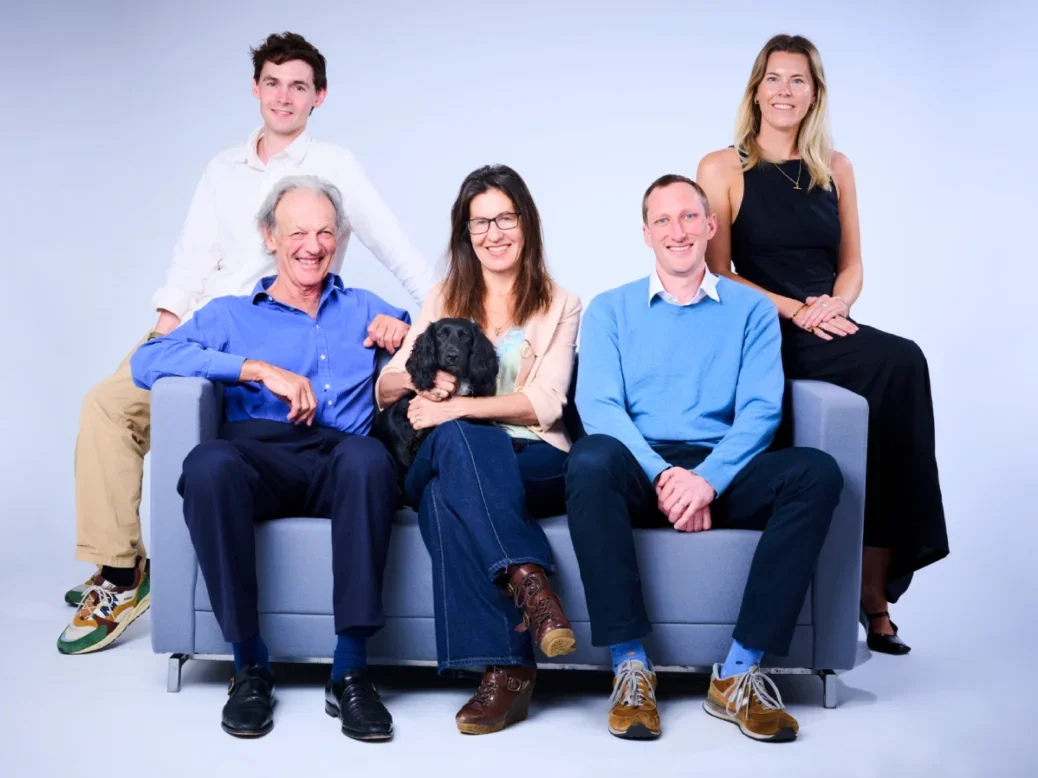
Today The Knowledge is run by a core editorial team of three – Byford as editor, deputy editor Charlie Lyons and assistant editor Imogen Williams, plus Connell as editor-in-chief. It is also led by publisher Michele Lavery and has two people in advertising and one in marketing.
Connell continued: “Two-and-a-half years ago we really simplified everything and just did the thing we did best, which is the daily email. It’s since then that it’s really begun to work and take off, because in this very crowded market simple is good, short is good, and it’s something which comes into your email that you’re on every day anyway.”
He said being a “one-trick pony” helped them compete with newspaper brands which have their own newsletters but also have many other priorities.
This month The Knowledge was named Best Daily Newsletter at the Publisher Newsletter Awards and editor Byford was named Newsletter Hero of the Year in part for his work helping to lead the evolution since January 2025.
How content is selected for The Knowledge newsletter
The purpose of The Knowledge, Connell said, is to “distil” the “mass of information” out there in ways that “emphasise the positive” and “surprising angles rather than what the media tends to do, which is follow the same old line”.
He added that they put “a lot of stress on jokes, a lot of stress on gossip, a lot of stress on people, and the key to it is not taking ourselves too seriously.
“I mean, we should take what we do seriously. We should run serious pieces. But I think that’s where a lot of websites and media organisations go wrong: they take themselves far too seriously.”
Byford said “the surprising pieces are the ones that work best”, suggesting for example a Telegraph columnist praising a Labour minister.
He added: “The other thing is entertaining. I think a lot of what we read is quite pedestrian and plodding, and the ones that sing are the ones we try and pick out because everyone likes to enjoy reading the newsletter and not feel like it’s homework.”
This tone is conveyed through the use of emojis in the newsletter. Byford admitted: “I was initially quite sceptical of our emoji use, but I’ve become a steady convert. I like to think we don’t overuse them, but I think they serve a purpose every now and again to brighten something up.”
Byford called selecting what should go in the newsletter each day “the best job in the world” as they scour the news in print and online.
Each of the editorial team members have their own patch in terms of newsbrands to scour and then they pitch what they think is worth including at an ideas meeting. “It’s a relatively simple process but highly enjoyable,” Byford said.
He estimated that one third of the day is spent reading, one third is writing summarised versions of the stories that have been selected, and the final third is spent on newsletter production.
Connell, who described a similar process at The Week, noted that “it looks on the surface very easy to do this condensing of a piece and shortening stuff and putting across people’s arguments, which they were spending many words on.
“It’s actually very difficult because either journalists tend either to have quite big egos, so they want to push themselves, or they’re rather bland and they’re just straight reporting. Somehow you’ve got to get a mixture. You’ve got to get the personality into it, but not overload it with that. So it’s quite a difficult trick to pull.”
The Knowledge links out to paywalled websites even knowing that not all of its subscribers might have access to them.
Byford said: “I do get emails about it on a pretty regular basis – readers complaining about exactly that, and the answer I always give them is I’m afraid good quality journalism can’t be done for free. Pretty much everything good out there… is behind the paywall and we give you a taste of what’s there. But if you want to go and read it properly, then that’s up to you.”
He added that he believes The Knowledge is “more and more useful” to national newspapers as well as smaller titles “especially in a world of Google Zero and that sort of thing, where audience traffic is drying up in other areas” because it provides “a window into their best stuff” and helps them get new subscribers.
He said The Knowledge is “right at the top ten of referrals for some of the big newsletters – The Comment Is Freed, The Weekly Dish in America. Popbitch, we’re number one. We’re their top referrer. So I think it’s a good relationship.”
‘Very big decision’ to put up paywall for aggregated newsletter
Revenue comes from paid subscriptions and adverts in the newsletters.
Anyone can sign up and get a two-month free trial of the full newsletters but after that, if they don’t convert to a paid subscription, they get a partial version with the main headlines at the top, one comment piece and one smaller piece (plus an advert) – totalling around a third of the full newsletter.
Byford said it was a “very big decision putting up that paywall” because although paid subscriptions had become popular for newsletters, it was less clear if people would pay for aggregated titles.
The Edinburgh Minute has also had success with paid subscriptions for its service of aggregating local news (although it differs from The Knowledge as it keeps the whole newsletter free for everyone regardless of whether they pay).
The Knowledge offers 50% off subscriptions for the first year (making it £40 instead of £80) and Byford said they were nervous about whether the initial tranche of subscribers would churn in January 2026 but that it was a “huge success” with a retention rate of about 85% of people choosing to renew at the higher price.
A recent tactic to convert people to paying subscribers was a World Cup special offer which saw them promise to refund everyone who subscribed in the two days before any game in which England lost.
Byford said it was “very good while it lasted – I think a lot of people thought we were going to lose against Mexico, for example”. Although people who signed up ahead of the semi-final loss were refunded, they remain full subscribers so they represent a conversion opportunity again next year.
Meanwhile, Byford said, the advertising team sells around 60-70% of inventory and some household brands such as JP Morgan, Sainsbury’s, Tesco and Chase have recently begun to work with The Knowledge.
Connell said the business is “doing really well now” and is “very close” to reaching profitability. “It was a journey which had a slightly difficult beginning, and then once we got onto the right course, it’s been a much more enjoyable and much more successful one.”
Email pged@pressgazette.co.uk to point out mistakes, provide story tips or send in a letter for publication on our "Letters Page" blog
