

Hearst UK is publishing less articles but “more effective” content overall by asking journalists to explain why they are producing every piece.
Meanwhile The Telegraph has reduced its newsletter portfolio from about 40 to 26 brands over the course of an 18-month project to ensure they are “pieces of journalism that should provide quality within the inbox in their own right”.
They are among numerous major publishers pivoting away from quantity of content towards quality as Google AI changes continue to lead to falling traffic referrals.
Press Gazette previously spoke to Times deputy head of digital Anna Sbuttoni about its own “fewer, better stories” strategy which has seen the number of articles it publishes cut by around 25% in the past two years. Sbuttoni said The Times has had four consecutive months of “all-time record traffic growth” this year according to internal figures.
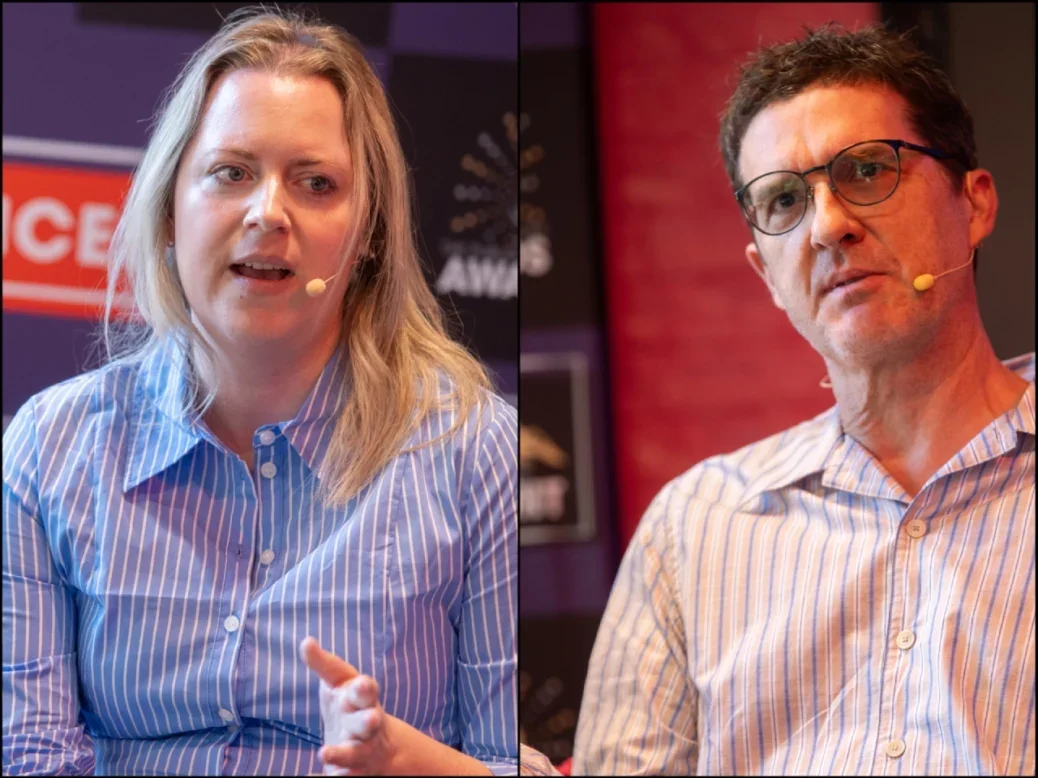
Malcolm Coles, audience growth director at Hearst UK, told a panel moderated by Press Gazette at the Publisher Summit in London that about 12 to 18 months ago the magazine publisher began rolling out a spreadsheet that must be filled in by editorial staff before they pitch an article.
They must explain the reason they want to publish it: whether they think it is for SEO, Google Discover, social, a newsletter, member engagement, or other reasons, Coles said. They must also input at that stage their suggested headline.
“We basically wanted to do less, we wanted to say no to more articles, so that people could concentrate on the more successful ones,” Coles said. “And the initial problem we had was trying to get some data about what worked and what didn’t.”
Hearst UK’s brands include Good Housekeeping, Cosmopolitan, Country Living, Women’s and Men’s Health, Esquire and Elle.
Once the spreadsheet was being used by a brand, Coles said, what was happening became clearer. “It turned out a load of people thought they were writing for SEO and were actually getting Google Discover traffic, and the way you headline those things should be very different. It meant that they had much better data about how to go about writing their headline.
“It meant we could tell brands what proportion of their content was being written for traffic for newsletters, for members, for other reasons, and some brands had a very high ‘other reasons’, and we could get that down, and it also empowered the site editors to be able to say no a lot more, because they had just much better data on what was working, and could say to the journalists ‘right, you want to write this story about SEO, but we’ve never actually had any SEO traffic on that subject, so no, don’t write it, go and try and come up with a better idea’.”
The spreadsheet has evolved and journalists must now also fill in information such as the main subject matter of the article, the format and what video can go into it.
“It doesn’t actually take very long, despite the horrendous sounding nature of it, but it means we can present back to them much better data on what works and what doesn’t,” Coles said. “And traffic went up, and the number of articles went down, so: success.”
Coles said 1,000 page views was set as a “floor” that articles ought to surpass. “Depending on the brand or section, it could be anywhere between 20 or 70% of articles that didn’t meet that floor, but it might be because if you try to write about medical health, Google’s got quite a high bar these days as to whether it will show it or not, so it does vary hugely.”
‘We’ve found new ways of using the journalists’ time’
Coles cited Good Housekeeping, which saw its UK audience grow by 75% year on year in June 2025 and 98% in July 2025 before going down as more time was spent on products like newsletters and Apple News rather than traffic-driving stories. In May it was down 1.4% year on year and up 5.7% compared to April, to a UK audience of 4.9 million.
“What’s happened in practice is we found new ways of using the journalists’ time, so we’ve launched more newsletters, and we write more for Apple News, so in all the output is probably the same, but the actual number of articles written for web traffic has definitely gone down.”
The digital growth strategy for Hearst UK is based around paid subscriptions and memberships as traffic turbulence from falling Google and social referrals hit ad revenue in 2023 and 2024.
Coles said: “Hearst wants to be a membership organisation, that’s what we’re all about, converting people to members, so we’ve got a much larger pool of people coming in at the top of the funnel who we can try and convert, make more money through digital advertising to fund the journalism.
“We’ve got more people signed up for newsletters than ever before, because we can convert them when they get to the website. We have expanded our publishing on other platforms to make more revenue there and get the journalism out to more people there.
“So just by doing less, but what we’re doing is more effective, means we’ve freed up time to do other important things – communicating with members, member-only newsletters, that sort of thing – and everyone’s happier, because who wants to be in the bottom bucket?… People can see that the work they’re doing has a much greater impact, so the journalists end up more pleased.”
He said it had been “quite hard, I think, to change to a system where you’re effectively saying no a lot more to people” but that he “took it upon myself to be the bad cop, which freed up the brand/site editors to be the good cop”.
“Ultimately it was important they owned the saying no as well, but I think that switch to people having to justify their ideas, and sometimes being a bit upset that their idea wasn’t being said yes to, was the thing that everyone found trickiest.”
For example, Coles said, referring to people by job titles like “editor” in headlines “tend to underperform” (although putting editors “front and centre in social video” works really well).
“We still write headlines with the word ‘editor’ in, and I just point out sadly afterwards if it didn’t do very well.” He described the changes as “guidelines” rather than “rules” as “people are free to break them”.
Coles cited a Good Housekeeping headline from December 2024 that read: “What? I can’t have porridge for breakfast?” He said it ” broke every single guideline that we had about writing for Google Discover, because it was too short, it withheld what the reason was” and he questioned whether porridge was “even that popular”. But it reached about eight million people in the UK, he said.
“We’re not trying to drive creativity out, we’re just trying to put some guardrails in and go, if you do this sort of thing, it tends to be more successful, and if you do this sort of thing, it tends to be less successful.”
Coles said the data had also helped avoid journalists leaning on clickbait to get traffic. “We used AI to work out whether a headline was a withholding headline, a sort of clickbaity one, so was the point of the story 100% clear in the headline, or was it teasing what the story was about? And we were able to show that withholding headlines had lower engagement time, because people would click through to see what it was about, go ‘I’m not actually interested in that’, and click off again.
“So we could show that if you were much clearer in your headline about what the interesting thing about your story was, people would spend more time with what you’d created, and that helped stop what could otherwise, I think, become bad habits if you’re chasing traffic targets by leaning into more clickbaity things.”
Telegraph says newsletters must ‘provide quality within the inbox in their own right’
Maire Bonheim, head of newsletters at The Telegraph, said the national newsbrand has been going through a “very similar process” with its newsletter portfolio.
At the start of 2025 The Telegraph had 40 newsletters and this was whittled down to 26, she said.
“We started off looking at the performance of every single newsletter – not just the audience size, the engagement, but also the purpose of each newsletter, and how it was performing based on those metrics,” Bonheim said.
Many of the remaining newsletters were revamped “to really focus in on quality, making them look visually a lot better than they looked before”.
Bonheim said: “I think some newsletters in the past might have been guilty of being seen as promotion channels getting people through to the website. We now see newsletters as pieces of journalism that should provide quality within the inbox in their own right, so a lot of focus on improving quality.”
The original newsletter refresh was completed at the start of this year, but Bonheim described it as an “ongoing organic process that will never end. Some of the newsletters that we revamped, we’ve since actually further improved or revamped again.”
Last year The Telegraph also launched a new flagship newsletter, From The Editor, which has become the newsbrand’s biggest source of new paying subscribers.
Bonheim said: “The purpose of that has been to focus on quality, create habit, keep readers coming back, build brand loyalty, journalist recognition, with the aim of essentially creating higher-quality long-term subscriptions to The Telegraph, and also keeping our existing readers coming back.”
[Read more: Daily newsletter is Telegraph’s ‘biggest source of subscribers’ one year after launch]
Other newsletters have been launched despite the pruning of the portfolio. Bonheim cited Cables, which is run by the foreign desk and launched in April. It contains bespoke content and aggregated links to the website and she described it as “one of our best-performing newsletters we’ve ever had… especially in terms of subscriber engagement”.
A business newsletter, To Business, and a football newsletter, Total Football, both launched in March.
Bonheim said: “In terms of how we decide what to launch, in the olden days there was an idea that we should have a newsletter per desk, per editorial desk, but that’s not actually the way the world works. It’s more about reader interests, and actually some of our most popular newsletters now are working together – the newsletters team and multiple different editorial desks that work together and create a stronger product that the reader would enjoy, and that would make sense to readers.”
Bonheim said the most challenging part of the process was “getting the newsroom on board” but said it had “ended up working well in two different ways.
“For the desks whose newsletters we revamped with a huge focus on quality, I think you can see that they are stronger, so there’s pride in the finished product, but also the stats don’t lie, and we’ve seen really big improvements – some of them, for example, doubled open rates for individual newsletters, so that’s kind of difficult to argue with.” The Telegraph looks at open rates with Apple Mail stripped out to avoid being skewed by bot opens.
“And then in terms of the newsletters that we discontinued, some of the desks were disappointed when we cut their newsletters, but they subsequently came back to us with a stronger offering, pitching something that was a better product, and we’ve subsequently launched those, and they’re doing really well as well, so I think both of those things have helped.”
Newsletters are key to the subscriber-driven Telegraph, Bonheim said, because “with AI and search, and AI coming for the inbox, it becomes more and more important for us to own our newsletters and make them as sticky and habitual and personality-driven as possible to keep people coming back, and that’s a really good way for us to do that”.
Email pged@pressgazette.co.uk to point out mistakes, provide story tips or send in a letter for publication on our "Letters Page" blog
