

French-language Lebanese newspaper L’Orient-Le Jour has seen a 9% increase in subscriptions since the start of the war with Iran – but it’s not enough to cover increased costs.
Editor-in-chief Rima Abdul Malak, a former French culture minister who joined the title in November, told the WAN-IFRA World News Media Congress that “everything costs much more than before the war”.
That includes insurance, security and transportation, she said.
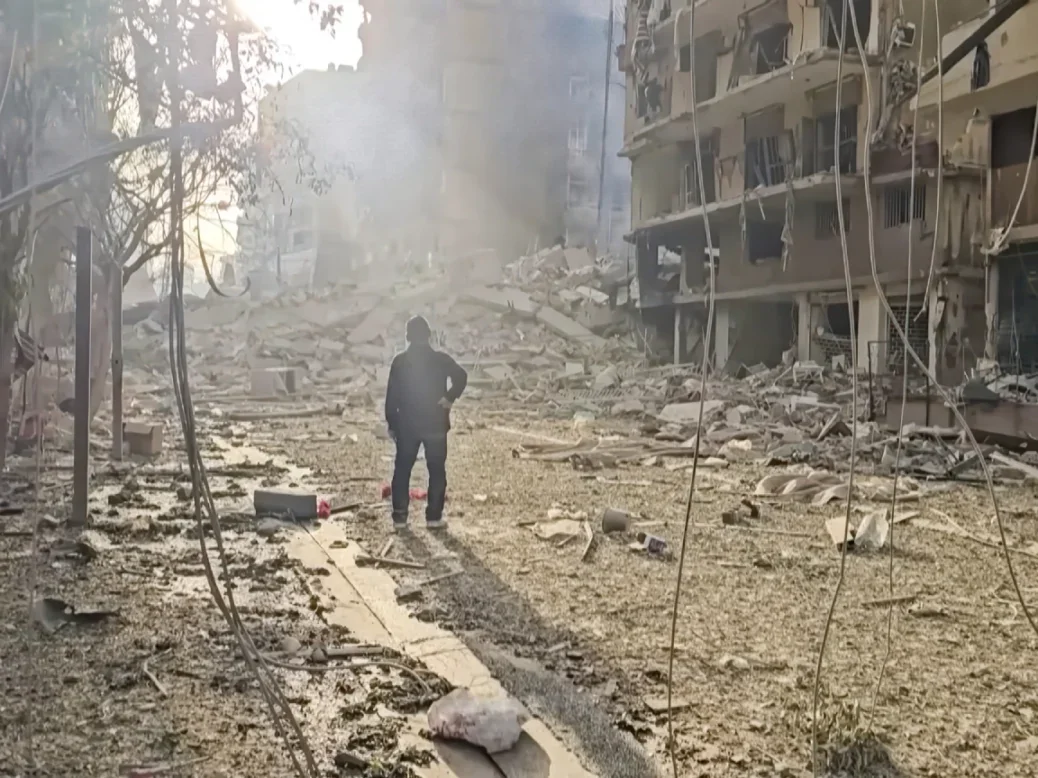
Hezbollah launched missiles and drones at Israel on 2 March in retaliation for attacks on Iran two days earlier and several Lebanese journalists have since been killed in Israeli attacks.
“Unfortunately, even though our audience has doubled on social media [and] on the free articles on our website… the subscriptions have risen only by 9%.”
Abdul Malak said this was “good… but it’s not enough, actually, to cover the rise of expenses and to cover our deficit, because we’re losing money every month.”
According to Similarweb L’Orient-Le Jour had 1.2 million visits last month.
Abdul Malak said subscriptions ensure the title’s independence and that its shareholders “leave total freedom to the newsroom”.
Abdul Malak said she had written a five-year plan for the title in February but had to “reshuffle everything” as the war began just two weeks later and resulted in a daily “crisis situation”.
Instead, attention was taken up by deciding where to send L’Orient-Le Jour’s 80 journalists and where not to send them during what she called “security meetings” five times a day.
She described sending journalists and photographers out to cover Israeli attacks and then “trying to locate them on our geolocalisation app and tell them to come back, because we don’t know when the bombings are going to start, so it’s all about dilemmas between security and editorial needs”.
She added that the title also has “pressures and threats from Hezbollah” because its editorial line opposes the terrorist group.
Abdul Malak also said: “Despite all that, we are keeping on, and we are trying to innovate and launch new projects,” citing a new daily podcast.
The future of L’Orient-Le Jour, she said, will be about “building a community” but at the same time becoming more international.
Currently 20% of its audience is in Lebanon, with 80% based elsewhere in mainly French-speaking countries and also English-speaking ones as the newspaper has expanded its coverage in English.
“The idea is how to bridge all these people together and try to create a vibrant link between them and the Lebanese in Lebanon,” Abdul Malak said.
She gave the example of a new content pillar, food (both recipes and food-related reporting in French and English), which she said could lead to new events and therefore revenue.
Abdul Malak said she is now developing an Arabic language offering and that she wants to be more multilingual within the next five years.
“We’ve started with a new project called Voices from the Middle East for the opinion and ideas section, so now we publish intellectuals, writers, activists in Arabic too, and in the future I would love to reach out to audiences in South America, in Portuguese, in Spanish, not necessarily translating all the website, but targeting these audiences with specific newsletters.”
She also wants to diversify L’Orient-Le Jour’s events with new offerings in France, London, the US, Canada and Lebanon itself.
Email pged@pressgazette.co.uk to point out mistakes, provide story tips or send in a letter for publication on our "Letters Page" blog
