

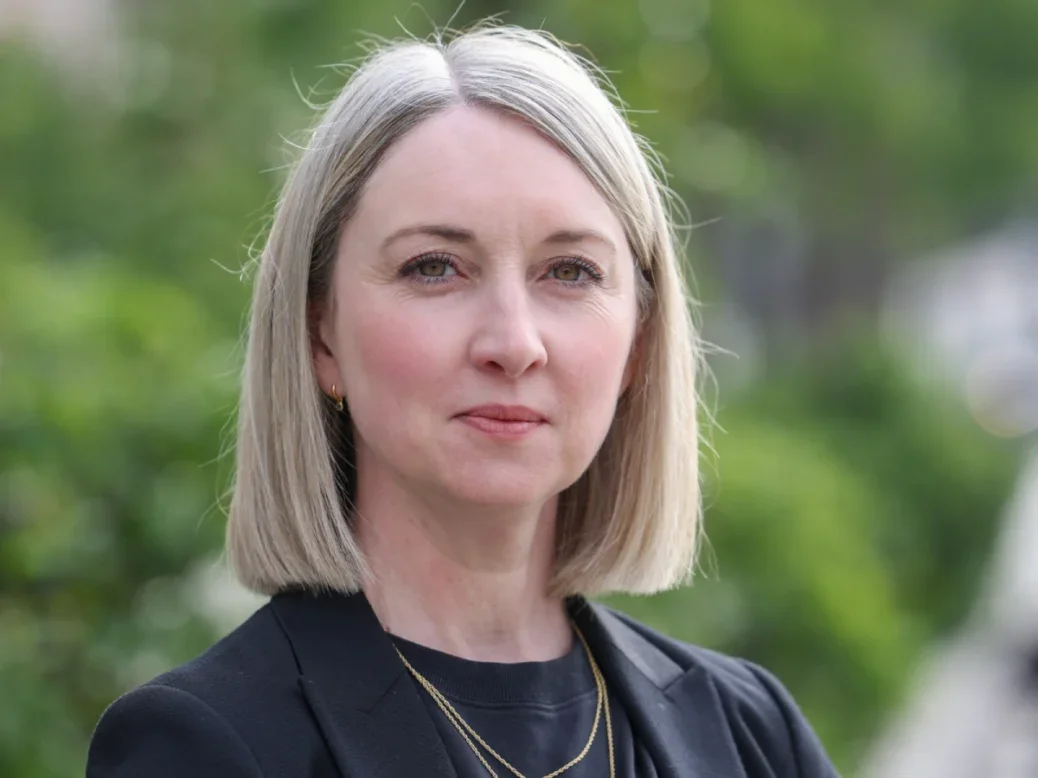
Nottingham Post editor Natalie Fahy says the “sheer variety” and challenge of informing communities keeps her motivated amid tough times for local journalism in the UK.
Fahy, who has worked in the the local and national news industry for 20 years, is also editor-in-chief for London and East of England at Reach Plc.
Fahy has a special interest in crime and court reporting and has advised police at a national level on media relations. She has also worked with the Department for Culture, Media and Sport to devise their Local Media Strategy.
What’s been a big turning point/breakthrough moment for you?
When I first became an editor I realised I had the freedom to take on any causes and campaigns and make a real difference to people’s lives. It’s also a big responsibility too.
It’s great to throw around ideas in conferences and say “we could try and change this”.
What’s currently keeping you up at night?
How do we diversify our revenues in the future – and the wider point of making the public realise that news shouldn’t be free, it’s actually expensive to produce verified news by trained journalists.
Beyond the commercial challenge of revenue diversification, I am deeply concerned about public media literacy. There is such a low level of understanding about what we do, why we do it and why media is important in a democracy. More than ever, editors need to be prepared to defend (sometimes publicly) what their brands are doing. Ultimately, the education system needs overhauling so young people feel confident in consuming all types of media, knowing what to question or trust and understanding why (for example) a journalist is allowed to report what’s said at an inquest.
What gets you out of bed in the morning?
The sheer variety and the fact that I love being a journalist mean I never struggle to get out of bed in the morning. I love a challenge of any size, from helping reporters get difficult stories over the line to navigating new areas like subscriptions and the latest algorithm change.
The responsibility of trying to do good community journalism gets me out of bed every day too. Where would people get trusted information on their neighbourhoods if it wasn’t for us? We have to make sure we are fit for the future so we can carry on informing people.
How are things going right now, what’s working?
There are always challenges, so this period of time has its challenges like any other. News brands must celebrate their distinctiveness now, especially as we move into a subscription focused world. For me that looks like campaigns, opinion, being a trusted source of breaking news and specialisms like court, sport, inquest and council reporting.
What has been your proudest achievement?
The Nottingham Post received a huge amount of attention during our ban by Reform-led Nottinghamshire County Council last year and people still ask me about this now. The way we fought against this changed the perception of regional news brands and the impact they can have – but also that we are often the first line of defence against issues like this. I truly believe if we had let it slide, councils would have tried it in other places around the country.
I am also always proud to see how our regional brands are performing on the subscriptions front, again disproving the naysayers who seemed to think no-one would want to pay for local news.
Getting messages from people saying we’ve helped them or changed their lives for the better is something that will always make me feel proud.
Biggest mistake, and what did you learn from it?
You can’t get to 20 years in journalism without making mistakes. You have to pick yourself up and keep going. What I have learnt over the years is not to react rashly when things go wrong. Take a step back, unpick what has happened and don’t do anything until you hear all sides of the story.
I’ve sometimes been too quick to react in the past. I always try to sleep on things now, take second, third and fourth opinions or think things over on a bike ride or run before jumping in.
When it comes to leading a team, motivating others, what works for you?
I am a big believer in being the person that will go out to defend our teams when people come for them. I also believe in ‘leading by doing’. If I want my reporters to be on TikTok, I should be too (and I am). If I want newsdesk to learn how to check and edit videos for publication, I should learn it too.
I encourage our reporters to push themselves and get the difficult stories done – that is what makes us stand out.
I celebrate successes as often as possible and just try to be as honest as I can with teams about what’s going on and what we are doing and aiming for.
If you could give your younger self one piece of advice, what is it?
I found it quite tough to go from my home and early life, growing up on a council estate where I was the first in my family to go to university, to believing that I could be a journalist. Everyone seemed to know how everything worked already. My advice would be to seek out mentoring opportunities so you have an experienced person to lean on and ask for advice. I was often afraid to ask questions on work experience for fear of looking stupid – a mentor would have helped with this.
Who or what inspires you and why?
At one end of the scale I am inspired by all the journalists who ask the tough questions no matter what and also those who work in extreme conditions every day. People like Kay Burley, Nick Ferrari, Alex Crawford, Kate Adie and the late and great Roger Cook.
On the other side of things I am also hugely inspired by my colleagues here at Reach, including many of the trainees who are navigating their way through a tough, fast-moving, competitive environment. Not only do they need shorthand, they need to be able to do a TikTok from a police cordon and file copy for a live blog too.
I am also inspired by my own mum who is a huge news fan and has an opinion on everything going.
What is your work mantra?
“Say yes to everything”
Also I ask myself every day: “Who cares about this?”. As journalists it’s really easy to get wrapped up in our bubble.
Email pged@pressgazette.co.uk to point out mistakes, provide story tips or send in a letter for publication on our "Letters Page" blog
